

Building a Startup Brand Through Effective Web Design
Crafting Your Startup Brand: The Power of Effective Web Design
Understanding the Importance of Web Design for Startups
Starting a new business venture can be an exhilarating journey filled with opportunities for growth and success. A crucial aspect that often goes overlooked in the early stages of building a startup is the significance of web design. In today's digital landscape, your website serves as the virtual storefront for your brand, making it essential to prioritize and invest in crafting a captivating online presence.
Setting the Foundation for Success
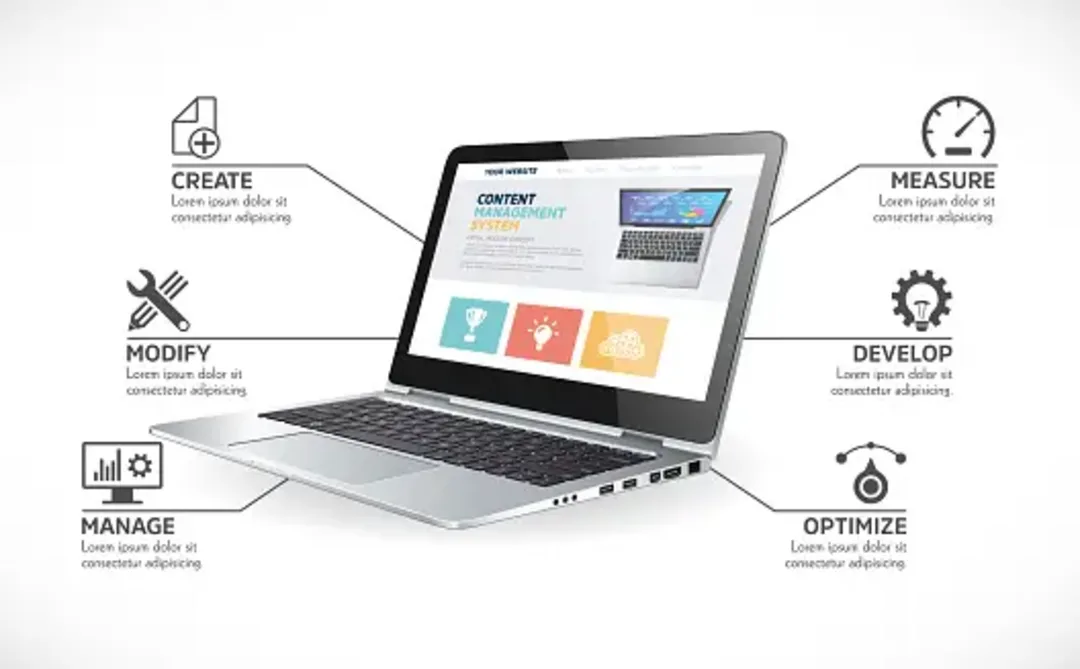
Your website is often the first point of contact for potential customers, making it imperative to make a lasting impression. A well-designed website can elevate your brand image and leave a positive impact on visitors, setting the tone for future interactions.
Establishing Your Unique Identity
Web design provides a platform to showcase your brand's personality, values, and offerings. By incorporating distinct visual elements and storytelling techniques, you can differentiate your startup from competitors and create a memorable brand identity.
Statistical Overview:
Improving website design can significantly boost time spent on site by 84% and year-over-year online revenue by 132%, amidst the vast landscape of over 1.5 billion websites. Crafting a distinctive web presence is crucial to capturing a larger market share. Mobile devices dominated global website traffic, accounting for 65.49% in May 2023, with 32% of small businesses already equipped with a mobile app and 42% planning to develop one. Conversely, 26% of small businesses show no inclination toward mobile app adoption. E-commerce conversion rates indicate that mobile conversions lag behind desktop, with mobile at 2.49% and desktop at 5.06%. Mobile platforms attract the majority of new users (65%) and returning visitors (74%). A non-responsive design is cited by 73.1% of web designers as the top reason for visitor abandonment. The United States witnessed approximately 191,100 web developers and designers in 2021, projected to exceed 205,000 by 2031, reflecting a 23% growth rate, outpacing the average for all occupations. Crucial website performance metrics include sales, leads, conversion rates (31%), total monthly visitors (30%), and click-through rate (28%). A staggering 94% of first impressions of a site are linked to its web design quality.
Webmasters track key metrics to gauge website performance
Key Metrics | Percentage |
|---|---|
Sales, leads, and Conversion rates | 31% |
Total Monthly Visitors | 30% |
Click-Through rate | 28% |
Enhancing User Experience
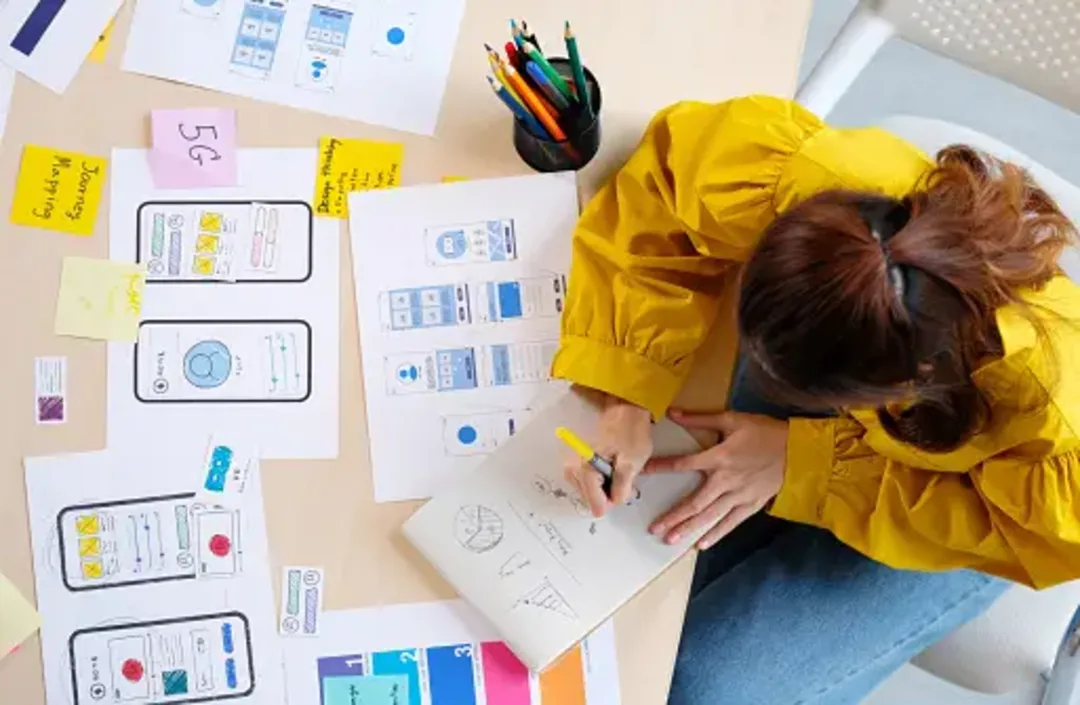
User experience (UX) plays a pivotal role in engaging visitors and encouraging them to explore your website further. Intuitive navigation, fast loading times, and visually appealing layouts are essential elements of effective web design that contribute to a seamless user experience.
Key Elements of Effective Web Design for Startup Branding
Creating a Visually Appealing Website
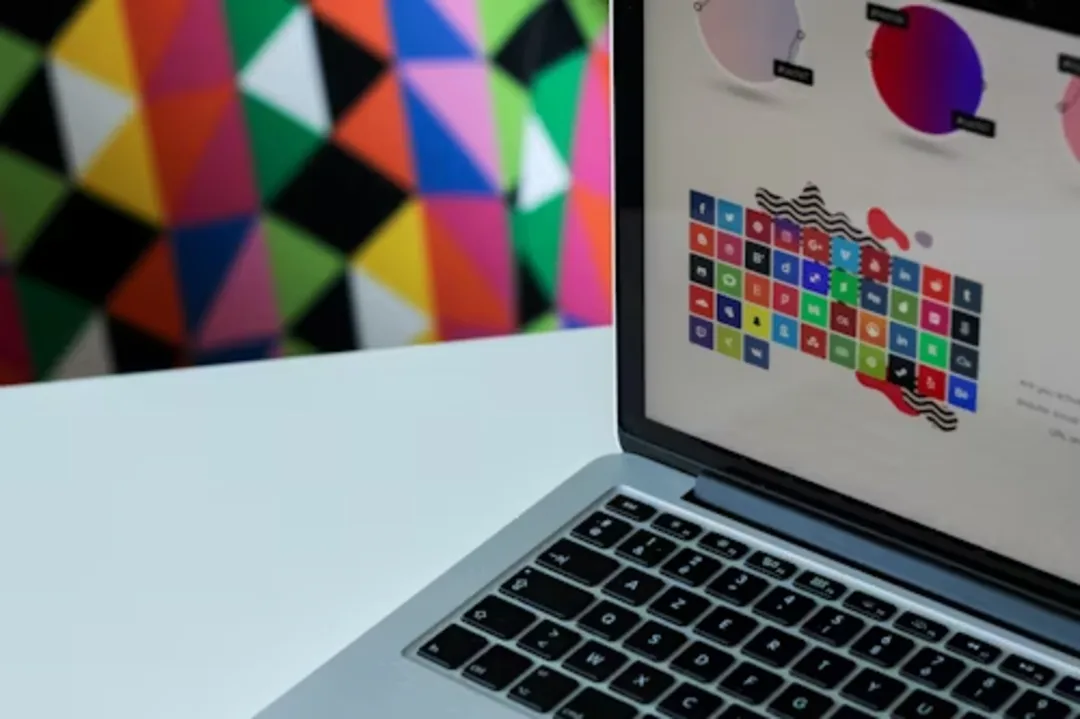
Visual elements such as color schemes, typography, and imagery can significantly impact how your brand is perceived. By harmonizing these elements with your brand identity, you can create a visually stunning website that captivates visitors.
Optimizing for Mobile Responsiveness
With the increasing use of mobile devices, ensuring that your website is accessible and optimized for different screen sizes is crucial. Mobile-responsive design improves user experience and boosts your search engine rankings.
Neglecting mobile optimization for your website can lead to loss of revenue and customer loyalty
Conversion Rate | Year |
|---|---|
2.65% | August , 2022 |
3.93% | November , 2022 |
2.34% | January , 2023 |
2.49% | March , 2023 |
Implementing Clear Call-to-Actions
Strategically placing calls-to-action (CTAs) throughout your website can guide visitors towards desired actions, such as making a purchase or signing up for a newsletter. Clear and compelling CTAs help streamline the user journey and drive conversions.

Building Trust and Credibility Through Web Design
Showcasing Testimonials and Reviews
Displaying testimonials and reviews from satisfied customers can instill trust and credibility in your brand. Positive feedback serves as social proof, reassuring visitors of the quality and reliability of your products or services.
Highlighting Your Mission and Values
Communicating your brand's mission and values through impactful storytelling can resonate with your target audience on a deeper level. Transparency and authenticity in conveying your brand's purpose can foster customer trust and loyalty.
Incorporating Trust Signals
Incorporating trust signals such as security badges, certifications, and guarantees can reassure visitors about the safety of their transactions and data. These visual cues can alleviate any concerns and instill confidence in potential customers.

Consistency Across Online Platforms for a Cohesive Brand Identity
Aligning Social Media with Website Design
Maintaining consistency in branding elements across your website and social media platforms reinforces your brand identity and creates a cohesive brand experience. Consistent messaging, imagery, and tone of voice help build brand recognition and loyalty.
Maintaining Consistent Branding Elements
Consistency in branding elements such as logos, color schemes, and typography across all touchpoints reinforces brand recognition and fosters brand recall. Establishing a cohesive visual identity enhances brand consistency and credibility.
Implementing a Unified Brand Voice
A unified brand voice that resonates across all communication channels helps reinforce your brand's values and personality. Consistent messaging and tone of voice build brand authenticity and trust among customers.

Measuring Success and Iterating for Continuous Improvement
Utilizing Analytics to Track Performance
Analyzing website metrics such as traffic, conversions, and user behavior provides valuable insights into the effectiveness of your web design. By monitoring key performance indicators, you can identify areas for improvement and make data-driven decisions to enhance user experience.

A/B Testing for Optimization
Conducting A/B tests on different design elements and content variations can help identify the most effective approaches for engaging visitors and driving conversions. Testing and iterating based on user feedback enables you to optimize your website for maximum impact.
Implementing Feedback Loops for Iterative Design
Seeking feedback from users through surveys, interviews, and usability testing can provide valuable insights into their needs and preferences. Incorporating user feedback into the design process allows you to continuously refine and enhance your website for a better user experience.
Summary
In conclusion, effective web design is a powerful tool for building a successful startup brand in today's digital landscape. By focusing on elements such as visual appeal, user experience, trust-building, consistency, and continuous improvement, you can create a compelling online presence that resonates with your target audience. Remember to stay true to your brand identity, prioritize user needs, and always strive for excellence in web design.
FAQs
1. How often should I update my website design?
Update your website design every 2-3 years to stay current with trends and maintain user engagement.
2. What tools can help me with web design for my startup?
Use website builders like Wix or Squarespace, graphic design tools like Adobe XD or Figma, and frameworks like Bootstrap or Foundation for web design.
3. How can I ensure my website is optimized for SEO?
Ensure your website is SEO-friendly through keyword research, refining on-page elements, crafting valuable content, organizing site structure and navigation, enhancing page speed and mobile adaptability, establishing backlinks, and tracking performance using tools such as Google Analytics and Search Console.
The Backend Scaling Checklist
The 12 checks we run before a system hits 10k req/sec — what to fix before it breaks in production. Free, no fluff.