Modern Web Design Trends Every Startup Should Know in 2024
Essential Modern Web Design Trends Every Startup Should Embrace
In the fast-paced digital realm 2024, startups need to be at the forefront of modern web design trends to stand out, attract users, and drive business growth. From responsive and minimalist designs to innovative technologies like augmented reality (AR) and artificial intelligence (AI), this comprehensive guide explores the must-know trends that will shape the web landscape), this comprehensive guide explores the must-know trends that will shape the web landscape this year.
For brands, staying abreast of current website design trends and comprehending user preferences are vital for making informed decisions that bolster web traffic, engagement, and conversions in 2024.
Key web trends of 2024 | Elements of modern website design trends |
|---|---|
Microinteractions | Animated enhancements |
Scroll-triggered Animations | Layered compositions reminiscent of scrapbooks |
3D Elements | Embracing geometric elements for aesthetics |
Bold Typography | Development of mini-sites for focused content delivery |
Split Screen Layouts | Utilizing visible grids for layout structuring |
Custom Illustrations and Graphics | Implementing moving text for dynamic visual effects |
Gradient Colors | Incorporating cursor animations for interactivity |
Sustainability Focus | Resurgence of retro design elements |
Personalized User Experiences | Prioritizing interactive design features |
Integrated Social Media Feeds | Embracing minimalistic and starkly functional brutalist designs |
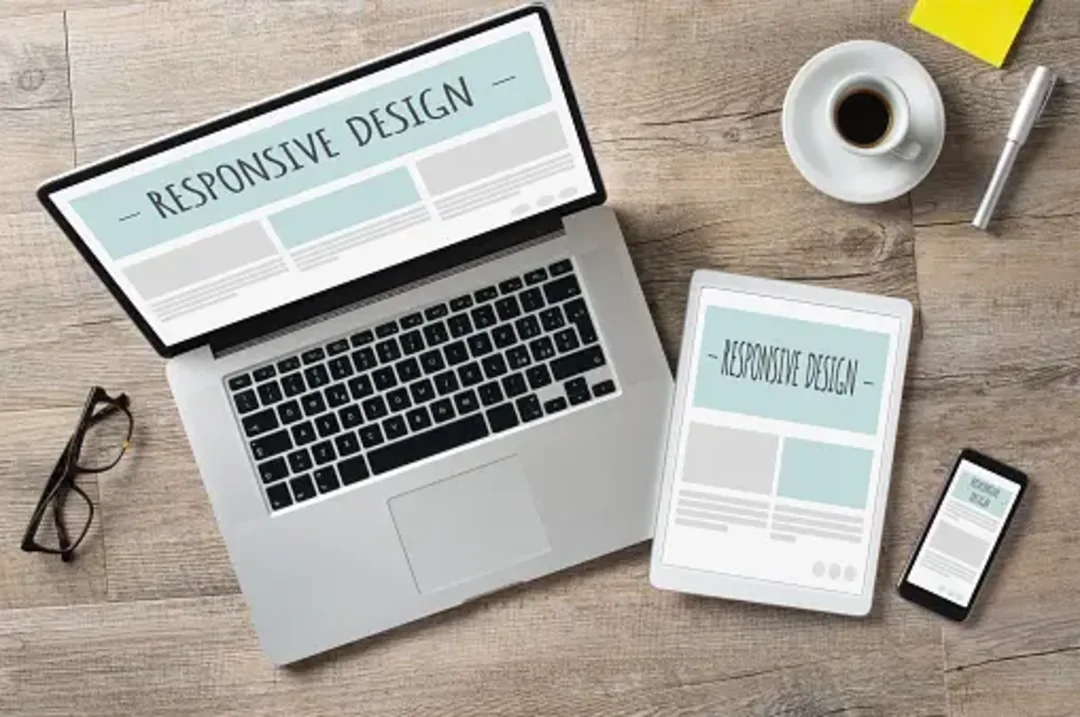
1. Responsive Web Design: Building for All Devices
Responsive web design continues to be a cornerstone of modern web development, ensuring seamless user experiences across devices of all sizes. With mobile usage skyrocketing, startups must prioritize responsiveness to cater to diverse user preferences.
According to a report: In 2022, there were five billion distinct mobile internet users, showing that more than 60 percent of the world's internet users prefer using mobile devices to access the internet. This underscores the considerable prevalence of mobile devices as the favored means of internet access and underscores the importance of prioritizing mobile-friendly design to meet the preferences of contemporary internet users.
2. Minimalist Web Design: Less is More
Minimalist design principles focus on simplicity and clarity, allowing startups to convey their message effectively without overwhelming users. By eliminating clutter and distractions, minimalist web design creates a clean and elegant user experience.
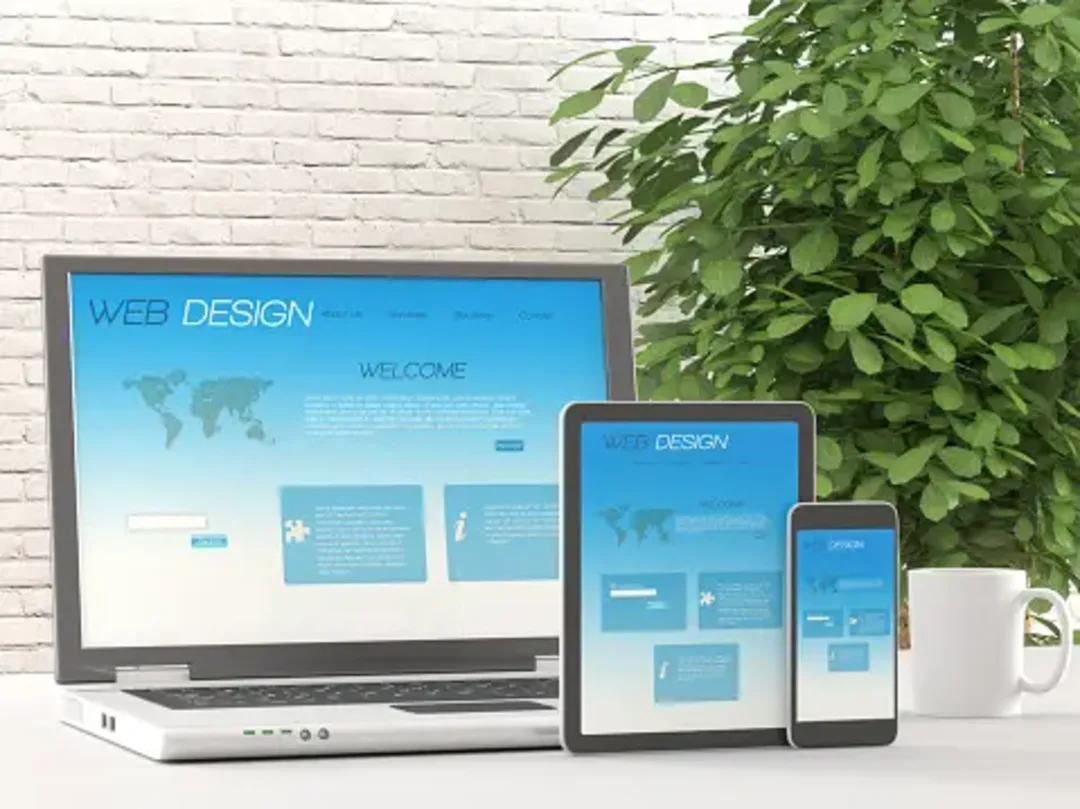
3. Mobile-First Design: Putting Mobile Users First
In an increasingly mobile-centric world, adopting a mobile-first approach is essential for startups. By prioritizing mobile design and functionality, businesses can deliver optimized experiences to the growing number of users accessing the web on smartphones and tablets.
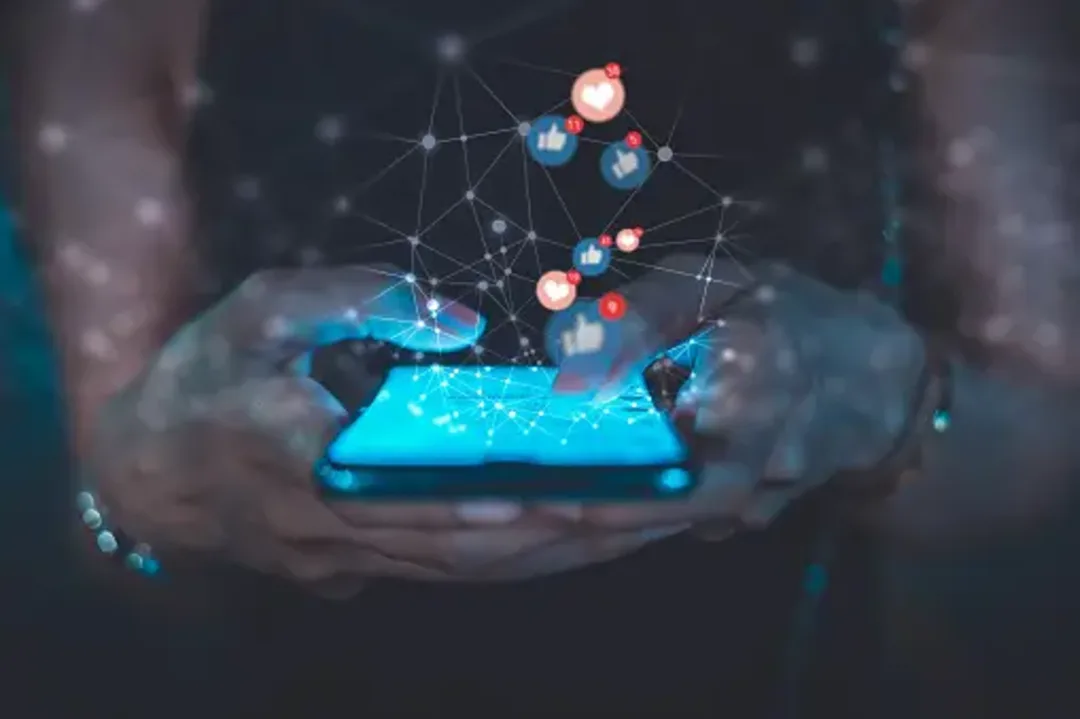
4. Dark Mode Websites: Enhancing User Comfort
Dark mode websites offer a stylish alternative to traditional light interfaces while reducing eye strain and extending battery life for users. Startups can leverage dark mode designs to provide a visually appealing experience while prioritizing user comfort.

5. Voice Search Optimization: Meeting User Expectations
As voice search continues to gain popularity, startups must optimize their websites for voice-enabled devices. By incorporating voice search optimization techniques, businesses can improve accessibility and cater to the evolving search behaviors of users.
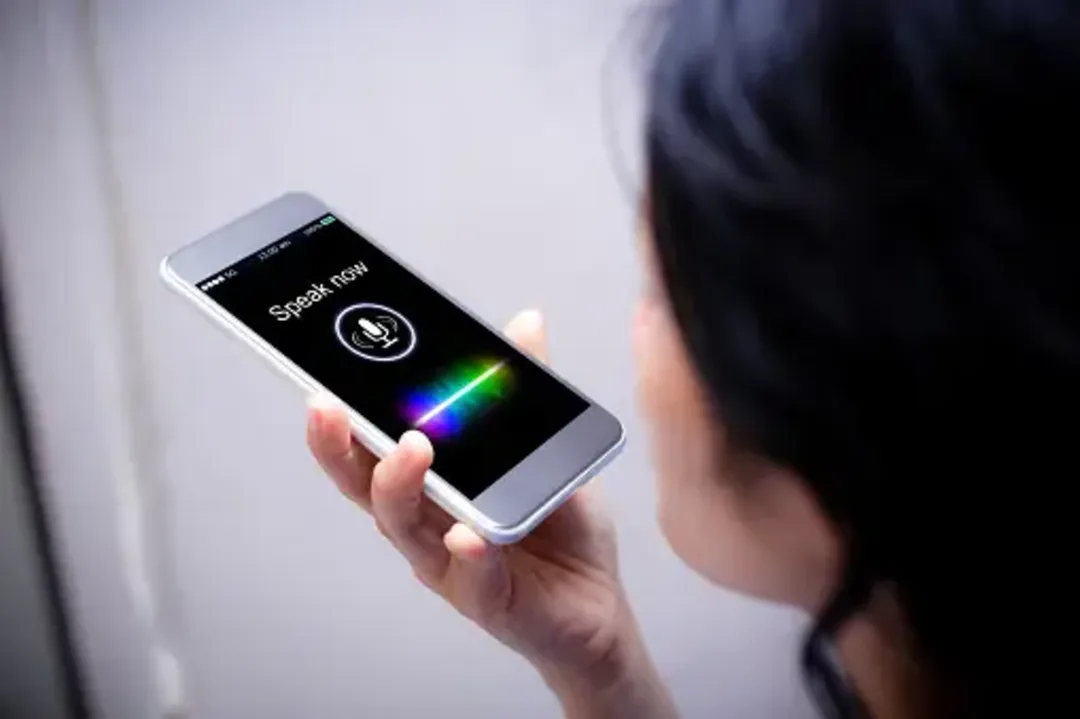
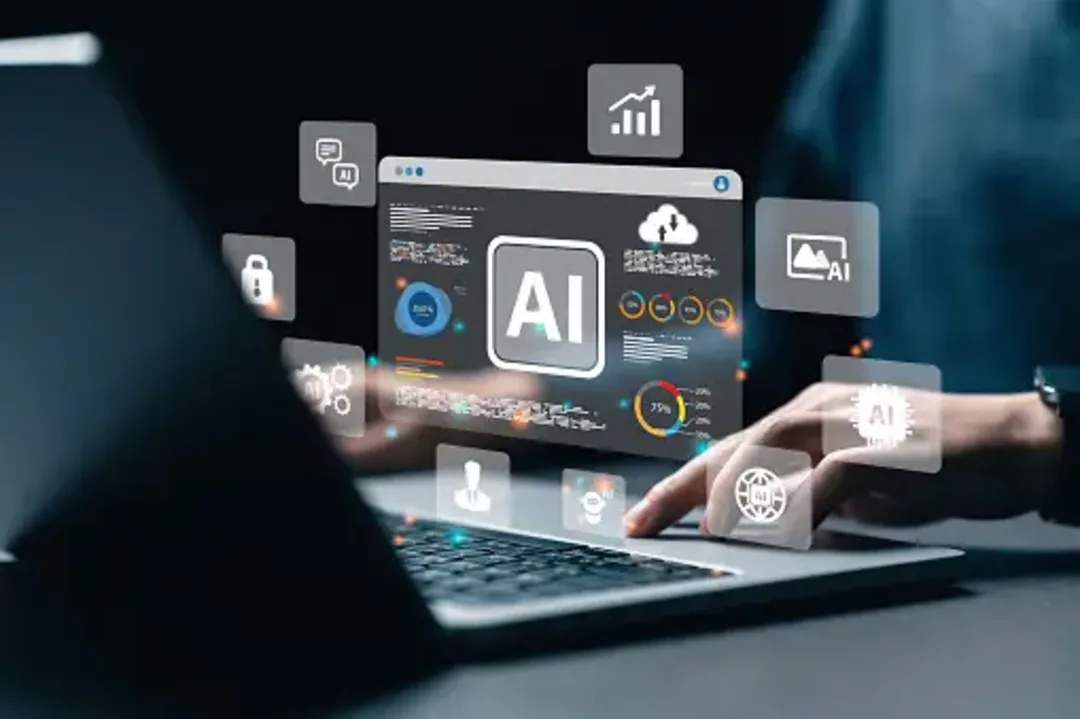
6. Artificial Intelligence in Web Design: Personalizing User Experiences
AI-powered technologies, such as chatbots and personalized recommendations, enable startups to deliver tailored experiences to users. By leveraging AI in web design, businesses can enhance engagement, streamline processes, and drive conversions.
7. User Experience (UX) Design: Creating Delightful Experiences
A smooth user experience is essential for the effectiveness of any website. Startups ought to prioritize intuitive navigation, concise communication, and streamlined functionality to please users and encourage repeat visits.
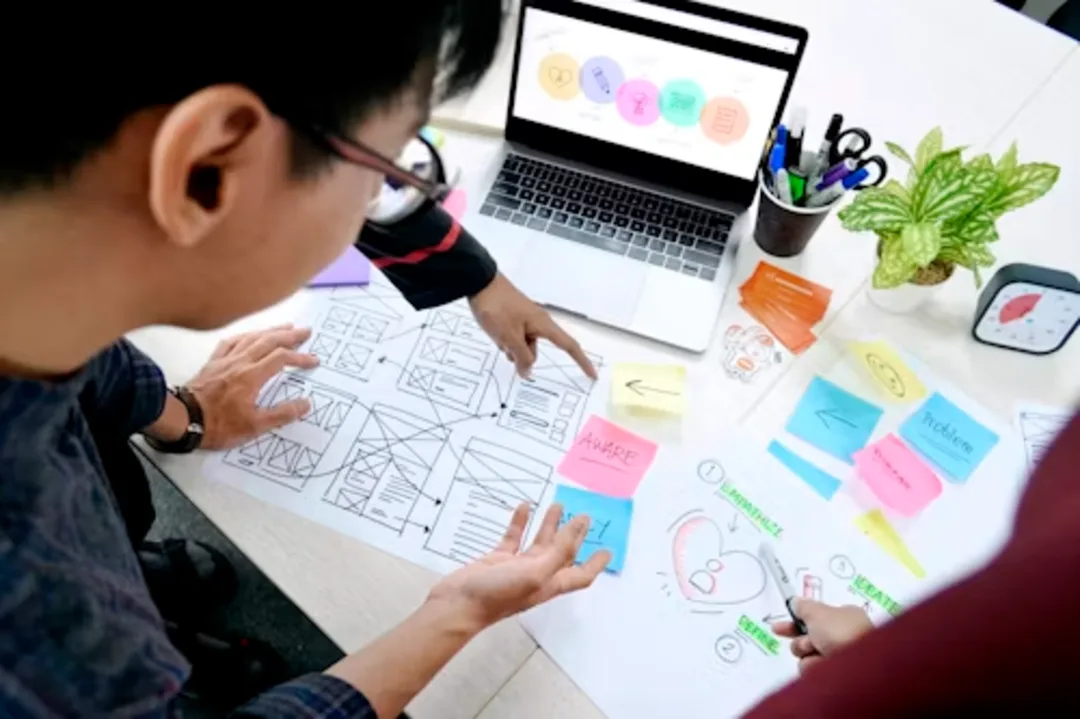
8. User Interface (UI) Design Trends: Staying Ahead of the Curve
UI design trends evolve rapidly, reflecting changing user preferences and technological advancements. Startups should stay updated on the latest UI design trends to create visually appealing and intuitive interfaces that captivate users.
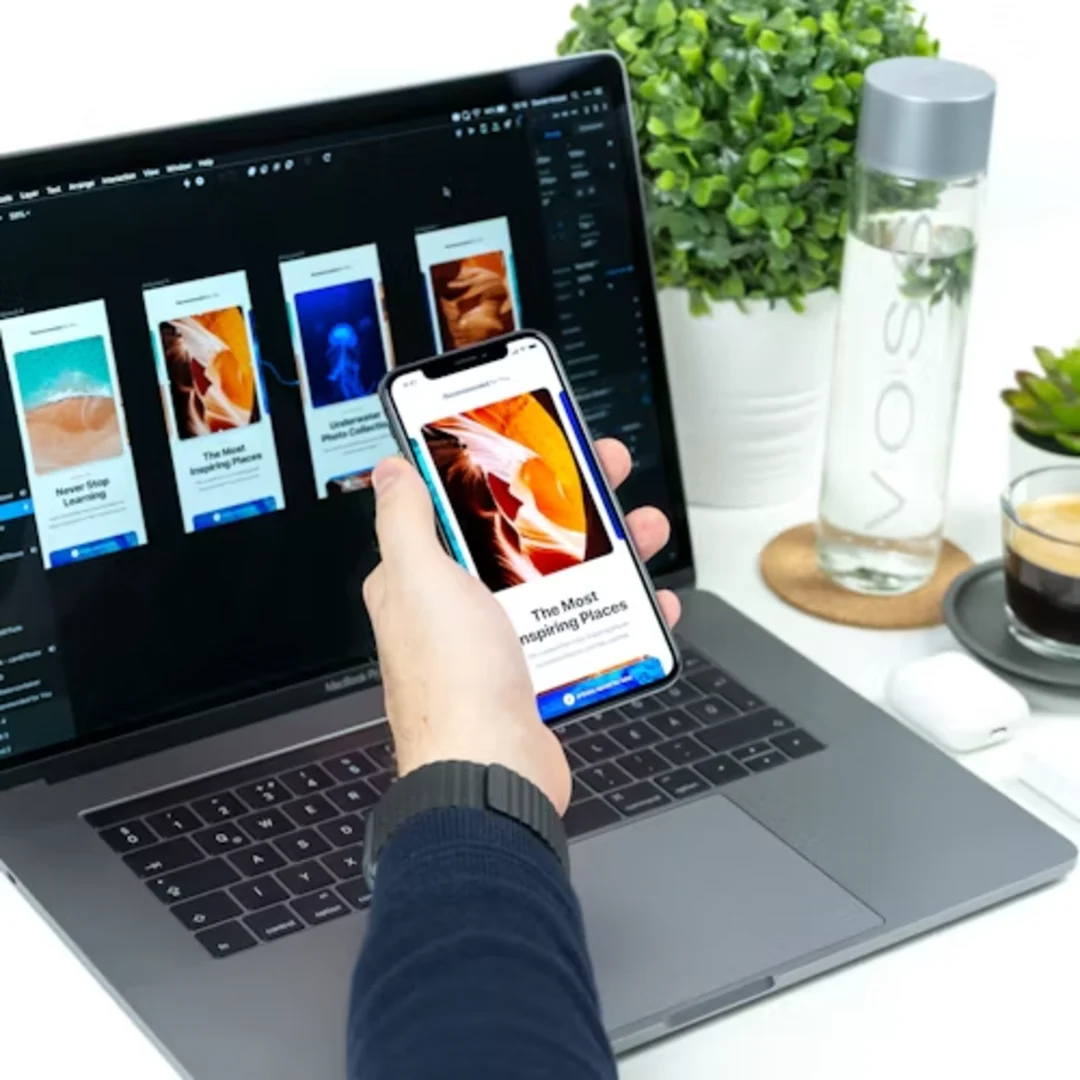
9. Interactive Web Design: Engaging Users Through Interaction
Incorporating interactive features like animations, sliders, and hover effects enhances the depth and engagement of websites. By integrating such interactive elements, startups can craft immersive experiences that captivate users' interest and stimulate exploration.
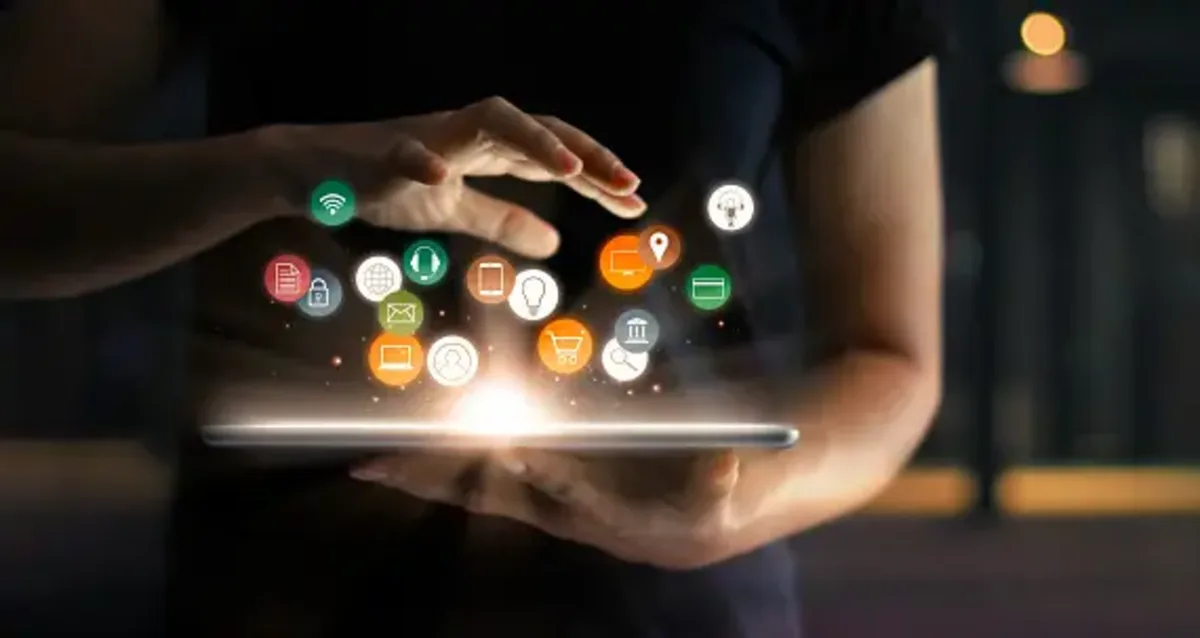
10. Video Backgrounds in Web Design: Capturing Attention with Motion
Video backgrounds offer a dynamic and visually striking way to engage users and communicate brand messages. Startups can leverage video backgrounds to create memorable first impressions and convey their unique value proposition.
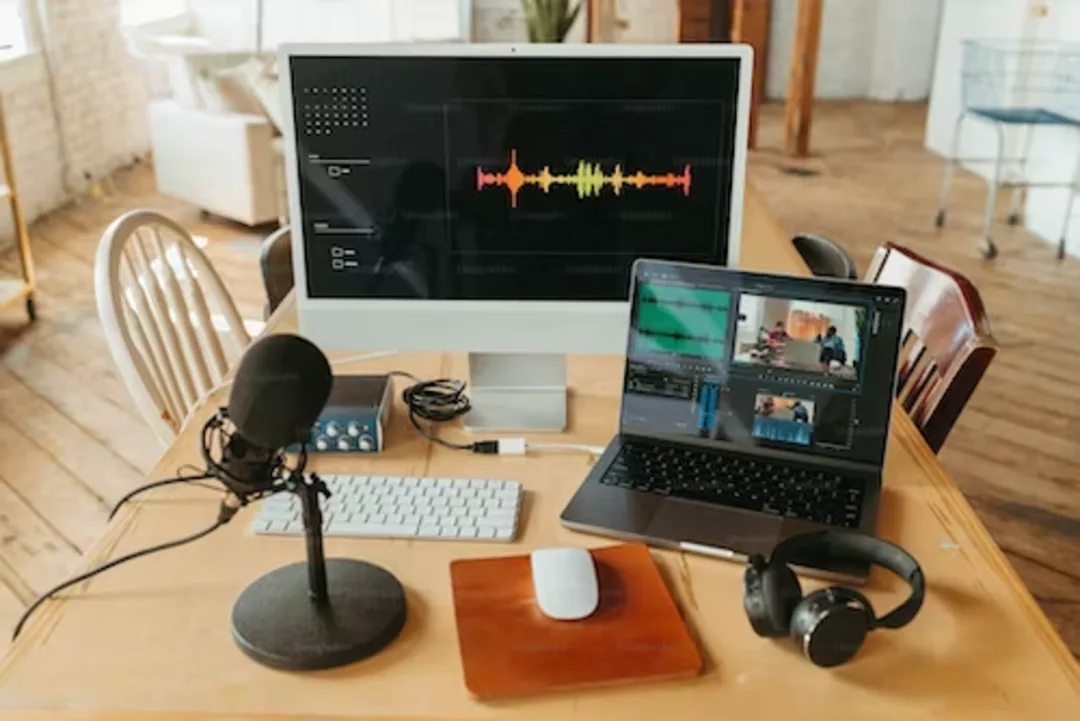
11. Augmented Reality (AR) in Web Design: Blending Digital and Physical Realities
AR technology allows startups to create interactive and immersive experiences that bridge the gap between the digital and physical worlds. By integrating AR elements into their websites, businesses can provide innovative solutions and enhance user engagement.
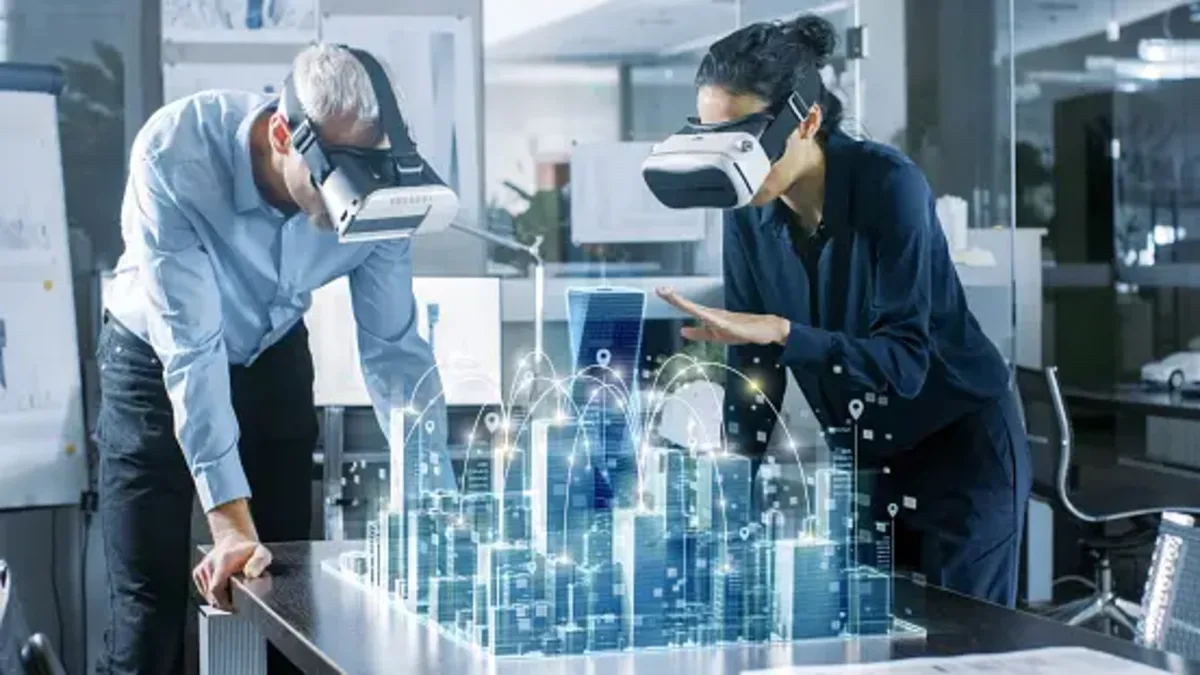
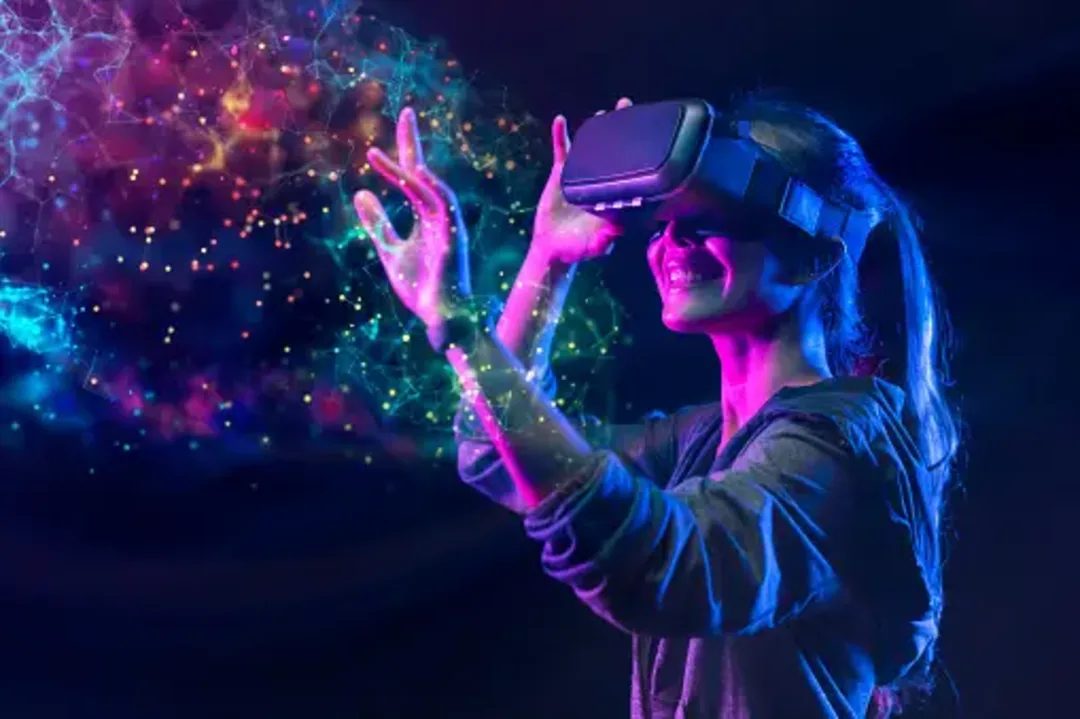
12. Virtual Reality (VR) in Web Design: Immersing Users in Virtual Worlds
VR technology offers unprecedented opportunities for startups to create immersive and immersive experiences. By embracing VR in web design, businesses can transport users to virtual worlds, showcase products and services, and deliver unforgettable experiences.
Conclusion
In the dynamic landscape of modern web design, startups must stay informed and adapt to emerging trends to remain competitive and relevant. By embracing responsive and minimalist principles, harnessing the power of innovative technologies like AI and AR, and prioritizing user experience and engagement, startups can create compelling web experiences that drive success in 2024 and beyond.
FAQs:
What are the key modern web design trends for startups in 2024?
Startups should be aware of trends like responsive and minimalist design, mobile-first approach, dark mode websites, voice search optimization, and incorporating artificial intelligence into web design.
How do modern web design trends impact user experience?
Modern web design trends aim to enhance user experience by prioritizing factors such as responsiveness, ease of navigation, visual appeal, and personalized interactions, ultimately leading to higher engagement and satisfaction.
Why is it important for startups to stay updated on web design trends?
Staying updated on web design trends ensures that startups remain competitive in the digital landscape, attract and retain users, and stay ahead of industry standards, ultimately contributing to the overall success of the business.
The Backend Scaling Checklist
The 12 checks we run before a system hits 10k req/sec — what to fix before it breaks in production. Free, no fluff.